01 — African House
African House.
One African House, two jurisdictions. An operating floor in Accra; a financial floor in Manchester — governed independently, at arm’s length.
One African House, two jurisdictions. An operating floor in Accra; a financial floor in Manchester — governed independently, at arm’s length.
A trading house assembled around four decades of West African downstream operating experience.
Casti Energies & Services GH Ltd is the operating arm of the Casti Group on the African continent — the counterparty of record for every trade the House confirms. It was built by principals who have run the region’s downstream from inside it: distribution networks, national strategic stocks, terminal operations and the measurement discipline that underwrites them.
The House holds a deliberately narrow thesis. It trades a defined slate of seven product lines through ports and depots its principals know first-hand, and it confirms nothing it cannot verify at the product. From storage to settlement, the House owns the transaction.
Casti Energies & Services GH Ltd runs the operating floor under Ghanaian law — origination, inventory, and the physical verification of every delivery the House confirms, under National Petroleum Authority licence.
Casti Capital Ltd sits under English law as the Group’s Financial & Petroleum Advisers. Each entity stands on its own balance sheet and is governed independently, at arm’s length.
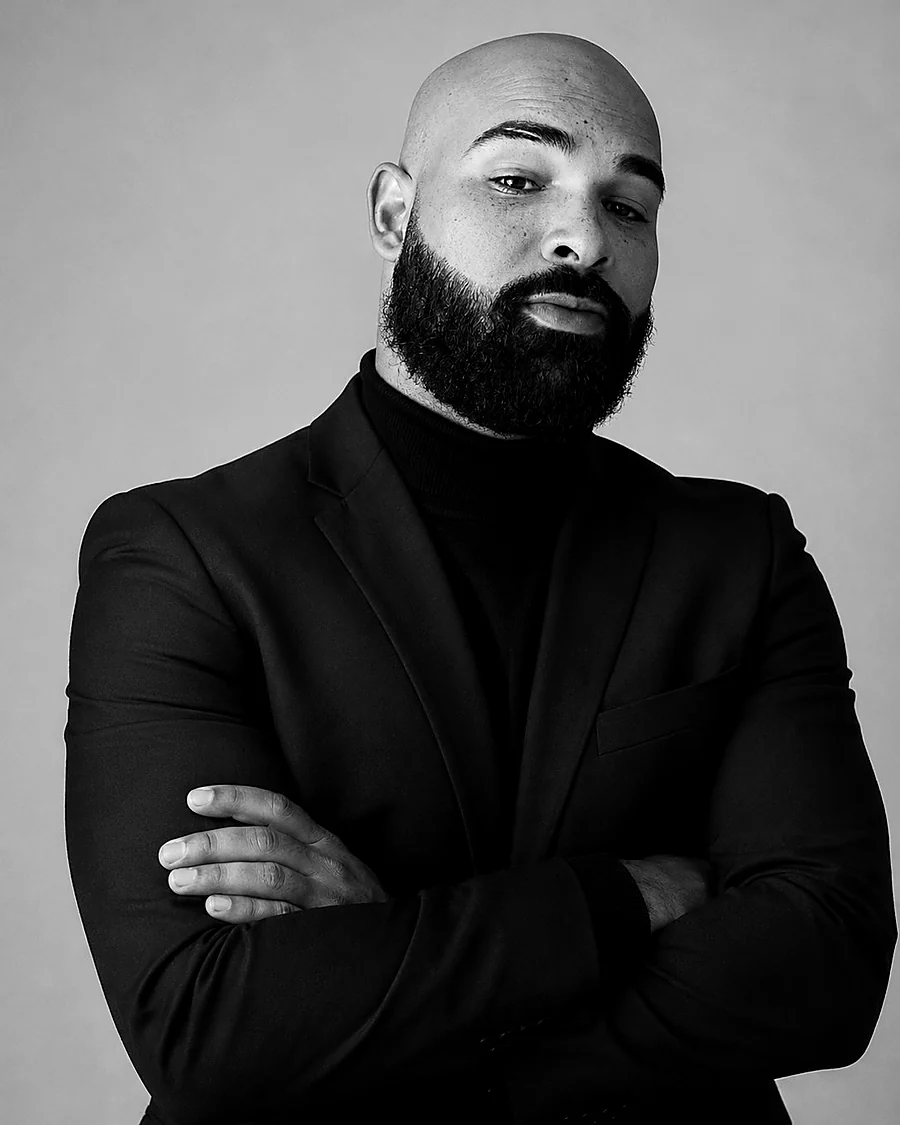
Three officers hold the executive authority of the Group. Office before officer; record before claim.
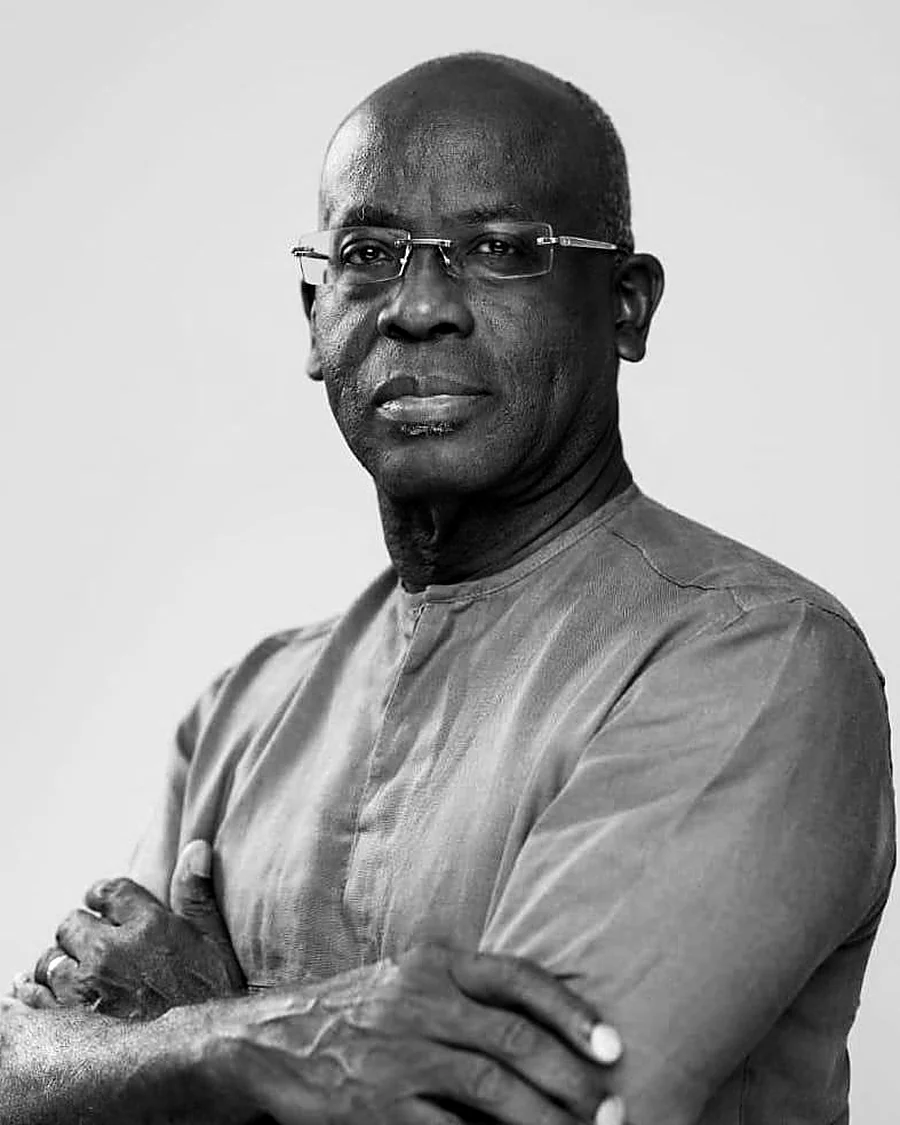
Four decades across the West and Central African downstream — Shell’s Africa distribution, Managing Director of Chevron Oil Nigeria, and architect of the framework that restored Ghana’s Strategic Security Stocks. Concurrently CEO of Nenser Petroleum and Senior Advisor to BOST Ghana. He holds the commercial authority of the House: no trade is confirmed without his counterparty judgement behind it.

Second-generation oil. Supply-chain logistics at Manchester and Salford, sharpened at CITAC London. Holds the operational floor — the measurement discipline, the inventory record, and the depot relationships through which the House lifts and stores. Concurrently Chairman & CEO of Casti Capital Ltd, Manchester.
Heads the Department of Compliance, Risk & Governance across a dual-jurisdiction mandate spanning the United Kingdom, Ghana and ECOWAS. Operates with deliberate independence from commercial execution, and holds standing board-level authority to halt, escalate or require remediation of any transaction presenting unacceptable exposure to the House.
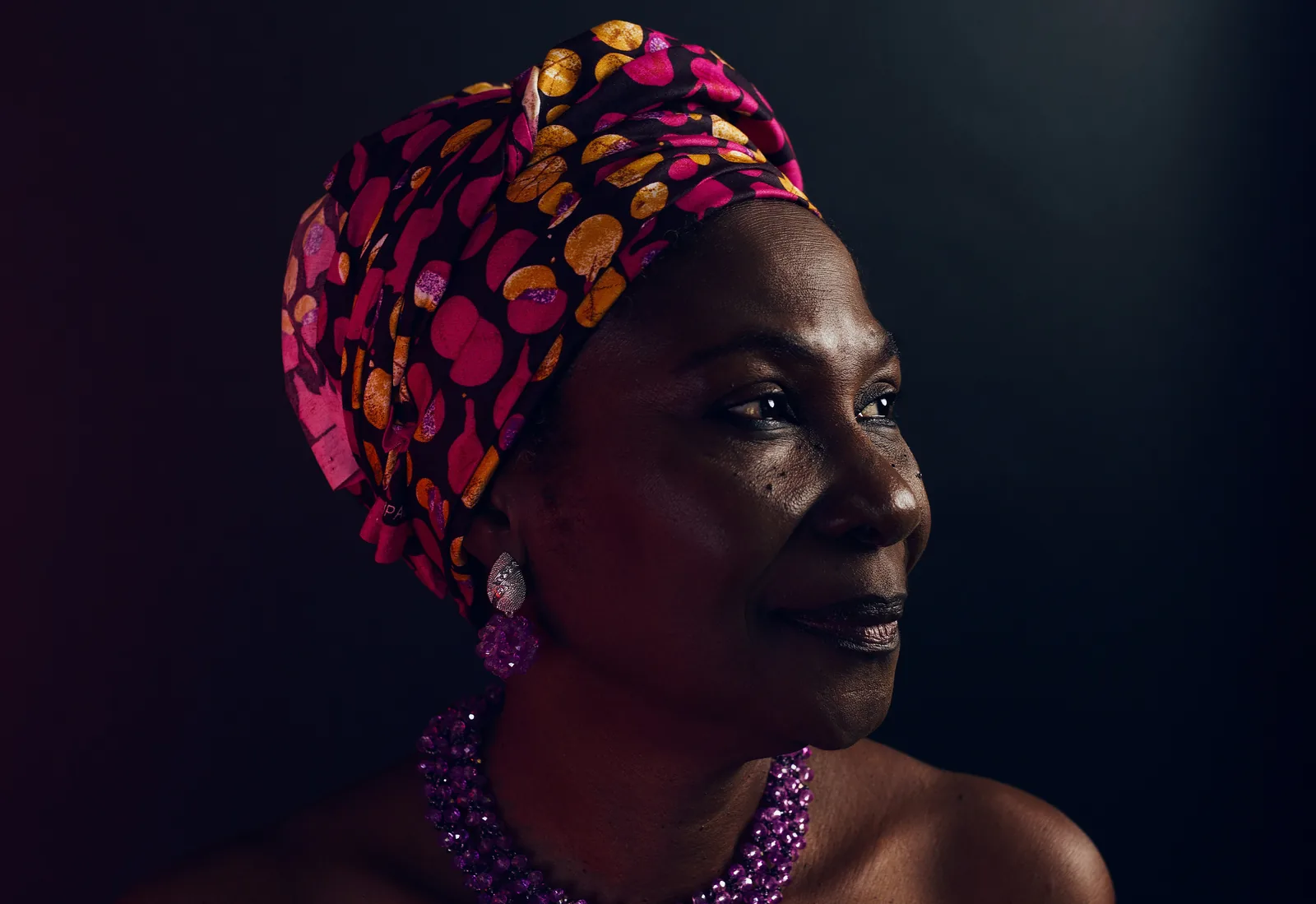
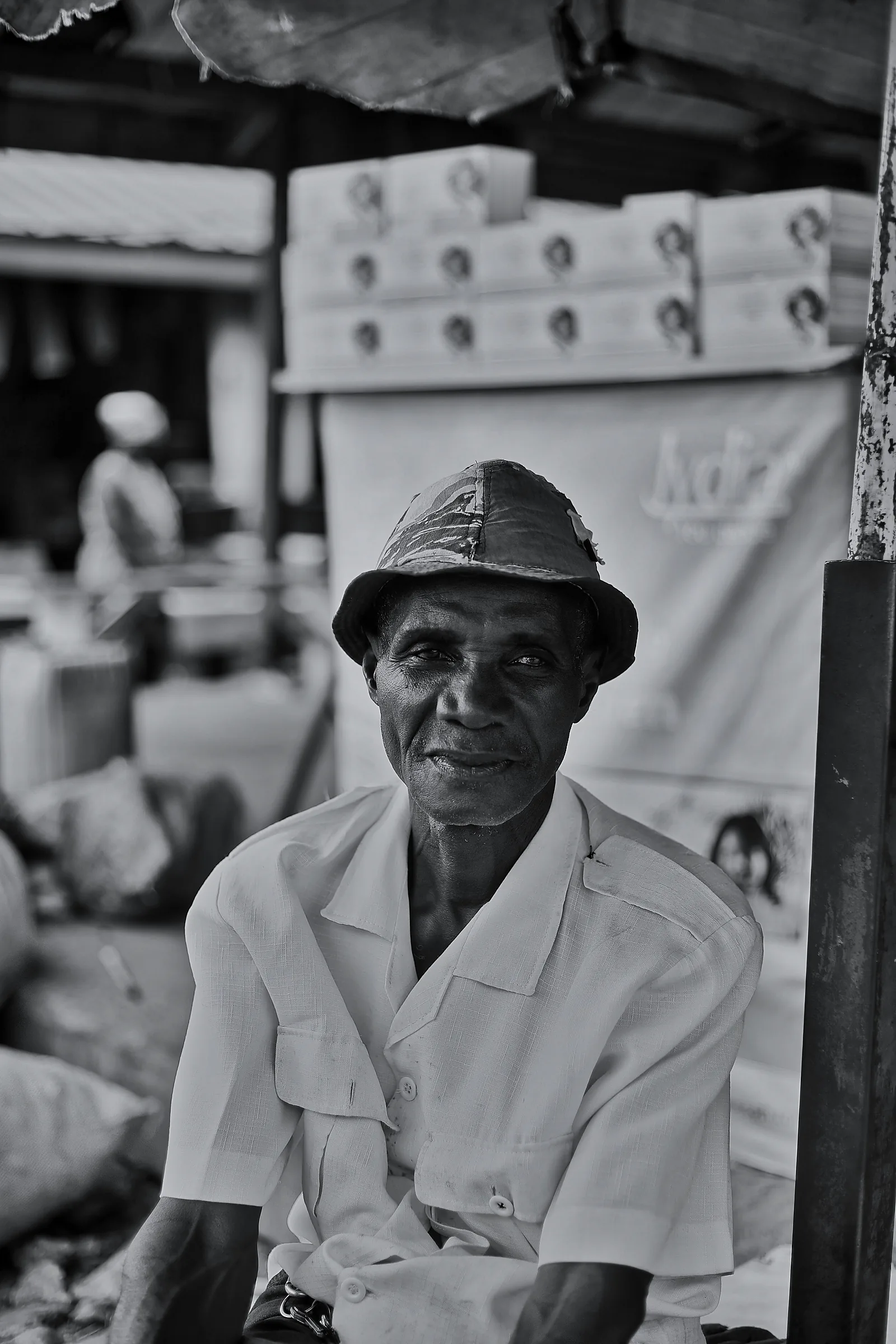
Before the House was a counterparty, it was a neighbourhood of markets.
The principals of this firm were raised inside the trading cultures of the Gulf of Guinea — where the market is the first institution, where an elder’s word is a contract, and where the woman with the ledger has counted her community in and out of every season for generations. The discipline this House runs on was not imported. It was inherited.
That inheritance carries an obligation. A house that draws its standard from its people answers to its people — not in sentiment, but in conduct: in how it hires, in what it builds, and in what it leaves behind in every port community it works through.
“The standard of the House has a face.”Faces of the House · Gulf of Guinea
The Seed Mandate — the House’s standing social commitment across West Africa.
Casti E&S holds a core commitment alongside its commercial mandate: the House does not measure itself by financial growth alone. A defined share of what the House earns is planted back — against energy poverty, against wasted talent, against the challenges tomorrow will hand African communities. The Mandate is run with the discipline of the trading floor — defined programmes, named stewards, verifiable outcomes — seeded now across Ghana, Côte d’Ivoire, Togo, Benin and Mali.
Bursaries and apprenticeship placements carrying young West Africans into the professions the downstream runs on — measurement, logistics, compliance and trading. The House was built on inherited discipline; the School passes it forward.
Safe-fuel and clean-cooking programmes for off-grid and peri-urban communities — because a house that trades energy answers for the homes that still cook in the dark.
Backing for market women and small traders — micro-grants, bookkeeping clinics and storage support for the region’s original institution: the open market.
Environmental care along the routes the House trades through — coastal and mangrove restoration, and spill-prevention education in port communities.
A fixed share of the annual trading result, set aside by board mandate and directed to projects nominated by the communities themselves.
These programmes are commitments in motion — seeded from 2026 and reported the way the House reports cargo: only what has actually been delivered. As outcomes mature, they are published here. The House plants seeds; it does not plant stories.
“The House keeps two ledgers — the one its banks audit, and the one its communities keep.”The Seed Mandate · 01.4